
- Everton’s option to buy stands at £50m, but realistic fee looks far lower.
- A European finish would transform their ability to fund a permanent deal.
- City’s incentive is to clear wages and book value, and may be tempted.
The reported £50 million option to buy Jack Grealish from Man City would, as things stand, be a stretch for Everton.
But it may not come to that. It’s there in the contract for a reason, of course, but it feels like there is a smaller figure hovering around that could be the answer. The £50m was just the figure needed to get the deal done in the first place.
Far more interesting is trying to estimate what the actual price could turn out to be, and whether Everton can afford it.
The deal as it stands
Grealish joined Everton on a season-long loan from Manchester City, with that option to buy for £50m. His City contract runs until June 2027. Before any permanent fee is even discussed, Everton’s outlay this season, covering wages plus loan fee, is expected to exceed £12m.
On the pitch, the early returns justified the cost. Grealish registered eight goal involvements in 22 appearances and looked consistently more dangerous than he did at City, where he managed just seven league starts last year.
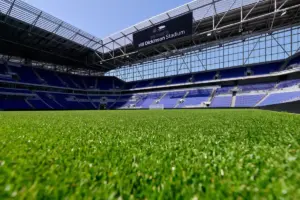
He was a player who had become peripheral at the Etihad, but who became, at the Hill Dickinson, a player who kept the ball, drew fouls, beat defenders and generally made things happen. As we know, eventually, he suffered a season-ending injury, which was a nightmare for all concerned.
Why £50m is probably not the real number
Grealish joined City in 2021 for £100m on a six-year deal. That fee was amortised at roughly £16.7m per year, leaving a book value reported at around £33.4m on City’s balance sheet. By next summer, with only one year left on his contract, he will be close to 31, and that book value will have fallen further.
City’s incentives are not difficult to understand: remove a high earner from the wage bill and avoid another year of depreciation on a player who is no longer central to anything Pep Guardiola is building. Multiple analyses point to a realistic fee range of £20m to £30m, well below the formal clause.
Former City financial adviser Stefan Borson went further, suggesting Everton should be able to get him for “about £20m max.”
The gap between the headline figure and the likely outcome is large enough to change the nature of the question. This is not a story about whether Everton can find £50m. It is a story about whether they can find £20m to £30m, cover the wages, and make the whole thing stack up against other commitments.
How Europe changes Everton’s spending power
Everton’s 3-0 win over Chelsea on 21 March moved them to eighth, just three points off the top five with seven games to play. BBC Sport noted that a European finish is now a genuine possibility. For a club that has spent recent years worrying about points deductions and relegation battles, this horizon shift is huge.
The revenue gap between competitions explains why the final league position matters so much to the Grealish decision.
UEFA’s model for 2025/26 pays Champions League clubs a participation fee of around £16.1m, compared with £3.7m for the Europa League and £2.6m for the Conference League, before win bonuses, knockout-round payments and ‘value-pillar’ distributions are added. Champions League clubs routinely earn upwards of £90m across a full campaign.
For a club whose 2023-24 accounts showed a £53.2m loss and a wage-to-turnover ratio above 83%, that kind of cash injection would reframe the whole Grealish deal.
That would not pay for him on its own, but it would make the wages and a negotiated transfer fee far easier to manage. It would also, perhaps just as importantly, make the deal easier to justify to anyone scrutinising Everton’s accounts.
Swiss Ramble has described this dynamic as the “virtuous cycle” of European football: revenue funds investment, investment produces results, results produce more revenue. Everton are, for the first time in years, close enough to the top six for that to be a thing.
What may happen next
Everton are highly unlikely to trigger the £50m clause in full. As mentioned above, the more likely scenario is a negotiated fee somewhere between £20m and £30m, aided by City’s desire to clear the books and Everton’s newfound ability to fund the deal.
There have even been some suggestions that a swap deal could also come into play, though that remains speculative, and Moyse is likely to be unwilling to lose any of his big names.
What is not speculation though, is the link between Everton’s league position and the likelihood of any deal getting done.
Every point gained between now and May strengthens their financial case. A Europa League place would help. A Champions League place would transform the landscape. Missing out on Europe entirely would make a permanent signing much harder to make a case for, however valuable Grealish is to Everton.
Grealish has re-demonstrated his ability at this level while playing for a club that has built its attacking play around him. The financial question is a $64m one, and will not be sorted by sitting around a negotiating table.
It will occur on the grass over the Toffees’ remaining seven games.
Watch this space.
- Johnson and O’Brien add more minutes on Everton international duty
- Balogun opens door to Premier League move after Everton collapse
- Billy Kenny explains why Everton was the only choice
- Everton news & talking points: Stadium expansion, PSR debate & internationals
- Everton trio set for Nations League duty tonight – details and how to watch