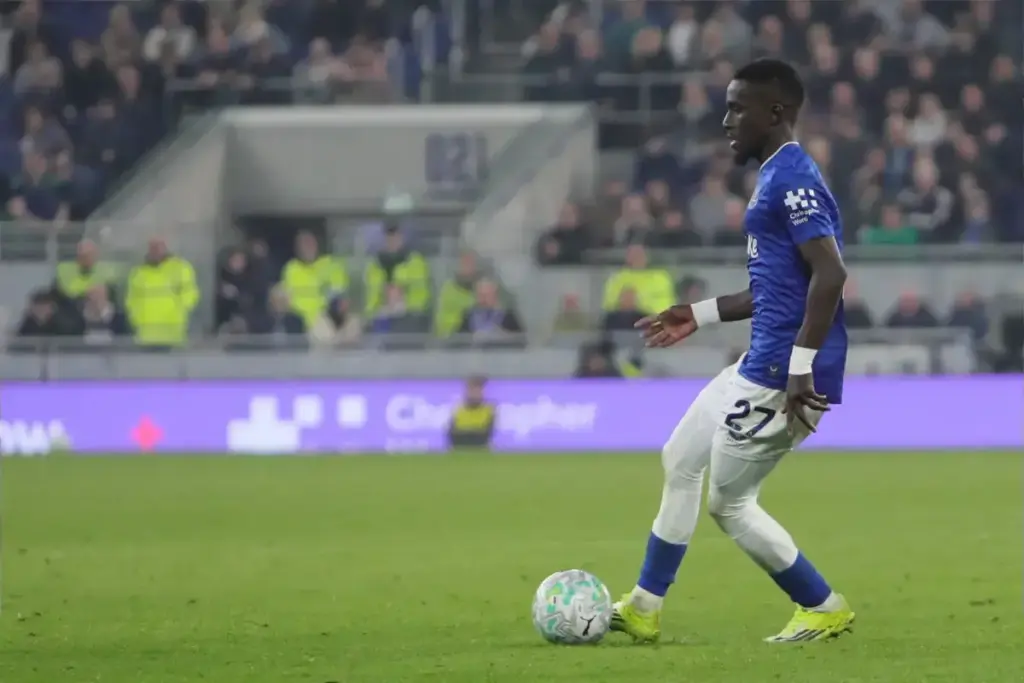

We knew it was coming. Still stung a bit, though.
The departure of Idrissa Gana Gueye was confirmed the way most modern exits are — a club statement, a contract expiry, a move to the Saudi Pro League dressed up as a fresh challenge.
None of that captures what he actually was to Everton for the best part of a decade, across two spells that bookended some of the club’s most difficult years.
The numbers behind the graft
The numbers tell part of the story. 236 appearances. 670 tackles. 429 interceptions. A 70% tackle success rate maintained across nine years.
Just 10 goals, a return so modest it became its own running joke among Evertonians — Gueye’s finishing was never why anyone signed him, and everyone, including Gueye himself, seemed to know it.
What the numbers don’t capture is his impact.
Gueye arrived from a relegated Aston Villa side in August 2016 for £7.1m, a fee that looked absurd within weeks — six tackles on his debut against Tottenham, more than double any Spurs player managed that day.
He left for PSG in 2019 for a fee reported at around £29m, a huge profit on that original outlay, and spent three years winning Ligue 1 titles before doing something unusual: he chose to come back.
A career built for the fight
That second spell, from 2022 until this summer, is arguably the more significant one. Everton were not challenging for anything in those years. They were surviving.
Gueye became the defensive anchor through two of the closest relegation fights in the club’s recent history, the kind of campaigns where a manager needs one player who won’t have an off-day, who makes the tackle at 0-0 in the 88th minute the same way he made it in August.
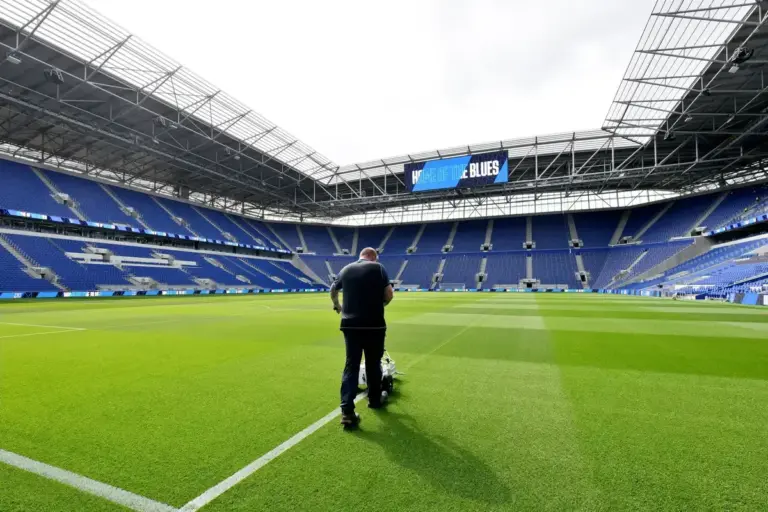
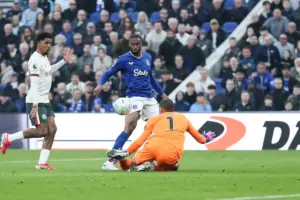
Gana was that player, repeatedly, at an age when most midfielders have long since stopped covering that kind of ground — including last season, his first at the new Hill Dickinson, where he made 25 appearances at 36 years old.
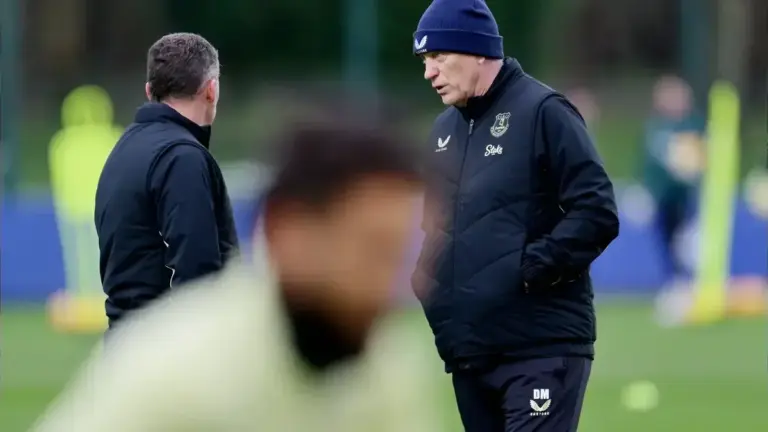
David Moyes’s tribute on confirming the exit struck a chord as such statements tend to do — gratitude for “dedication, professionalism, and influence.”
Everton’s own line, that he will “always be welcome” at the club, is the sort of thing said about most departing players. In Gueye’s case, it carries more weight than usual. Most players who left for Paris would have stayed there. Few would have chosen to come home to a relegation battle instead.
He leaves at 36, bound for Al-Diriyah on an initial one-year deal with an option for a second.
What he leaves behind isn’t really measurable in appearances or tackle counts, even if those numbers are the best metrics available.
It’s the sense, among a fanbase that has had plenty of reasons to feel short-changed of late, that here was a player who happily did the unglamorous job properly, twice, and always looked like he was doing it the shirt.
Go well, Gana.



Comments.
Loading comments…