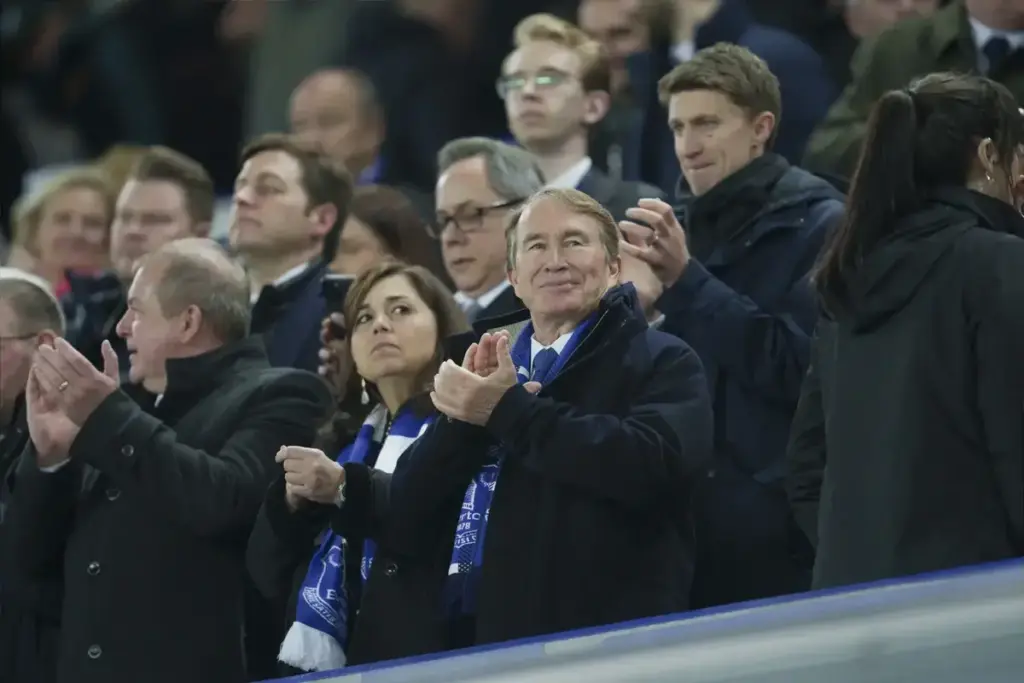

- Everton have become more stable during The Friedkin Group’s ownership.
- Financial uncertainty has eased but questions over ambition remain today.
- Supporters can see progress yet still await tangible on-field growth.
When The Friedkin Group completed their takeover of Everton on December 19, 2024, supporters were desperate for one thing above all else: normality.
After years of uncertainty under Farhad Moshiri, the new owners inherited a football club that felt permanently in crisis mode. Now, 550 days later, Evertonians can reasonably ask whether the club is in a better place than it was when TFG first arrived.
Everton finally feels like a club moving in one direction
To understand the changes, it is worth remembering where Everton were in late 2024.
The club was still dealing with the fallout from points deductions, PSR concerns dominated every discussion and nobody seemed entirely sure what the future held. Every week appeared to bring a new problem.
That feeling has largely disappeared.
Supporters may disagree with individual decisions, but Everton now looks like a club operating with the makings of a plan. There is less noise, less drama and far less uncertainty than there was 18 months ago.
The new stadium is perhaps the most obvious example of that.
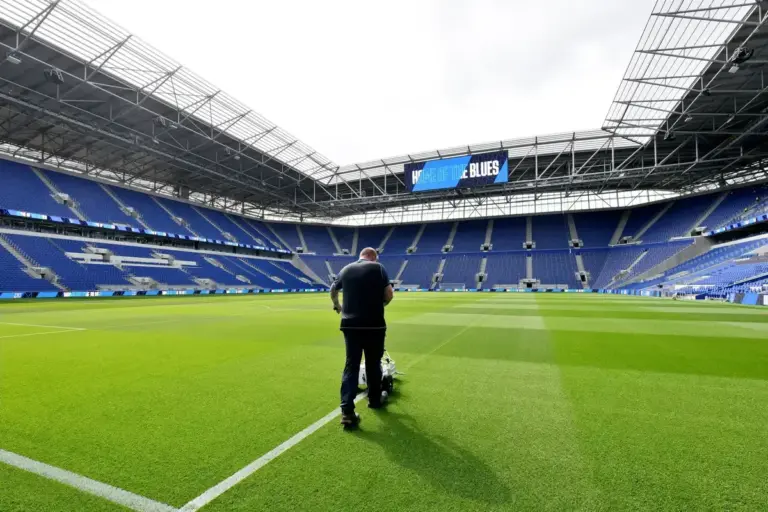
For years, Bramley-Moore Dock represented both hope and risk. Supporters desperately wanted it to succeed, but there was always a lingering concern about whether everything would come together. Now, the move done, Everton are season two into one of the most significant chapters in the club’s modern history.
Off the pitch, there is a greater sense of order too.
That may not generate headlines in the same way as a major signing, but after everything Everton have experienced over the last decade, stability alone is a valuable commodity.
Supporters still want to see where Everton’s ceiling is
Of course, nobody bought into the idea of new ownership simply to just become more stable.
Evertonians want progress. Obviously.
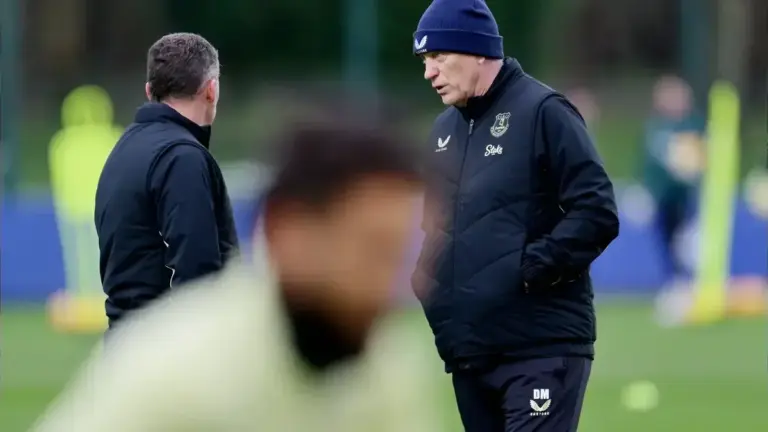
That is why recent debate surrounding David Moyes’ comments on talkSPORT struck such a chord. While many understood the point he was making about Bournemouth and Brentford, others saw it as evidence that expectations around the club have fallen too far. Or at least haven’t accelerated in the way they’d like.
Whether that criticism is fair or not, it does reflect a wider feeling among sections of the fanbase.
The Friedkin Group has steadied the ship. Few would dispute that.
What supporters want to know now is what comes next.
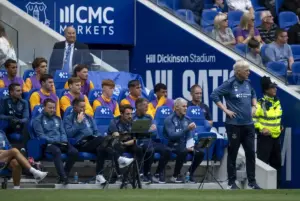
Can Everton become regular top-half finishers again? Can they challenge for Europe as they threatened to in season 1.0 at the Hill Dicky? Can they take advantage of a world-class new stadium and re-establish themselves as one of the Premier League’s elite clubs?
Those are the questions that will define the next phase of TFG’s ownership.
If Everton were judged solely on where they stood 550 days ago compared to where they stand today, the verdict would be positive. The club feels healthier, calmer and better prepared for the future than it did at the end of 2024.
But Everton has never been a club built on standing still. No one wins league titles and trophies by standing still.
The foundations look stronger than they have for years. Now supporters want to see what gets built on top of them.
Comments.
Loading comments…