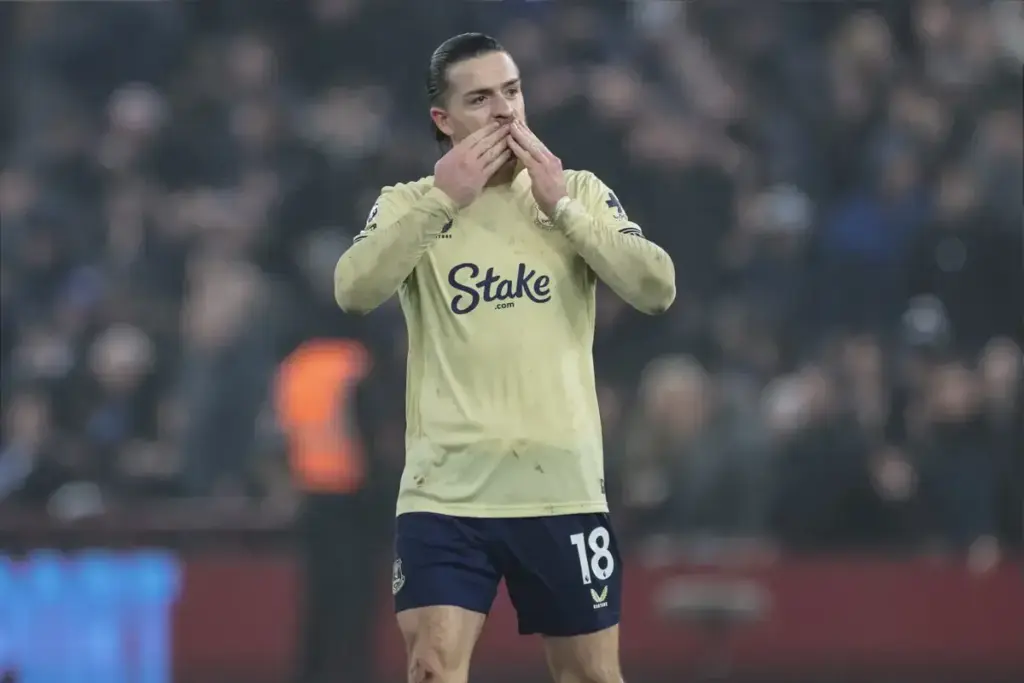

- Jack Grealish remains talented but deal structure matters most now.
- Everton must prioritise long-term planning during recruitment decisions.
- Another loan may not suit Everton’s current stage of development.
Jack Grealish’s latest social media activity has inevitably reignited speculation about his future. The Manchester City winger’s return to training at Finch Farm has prompted fresh discussion among Everton supporters, many of whom would happily welcome him back.
That reaction is understandable. Grealish clearly remains a player of quality. But as Everton continue shaping their squad for next season and beyond, the bigger question is not whether Grealish can improve the team. It is whether another loan deal makes sense for the club.
Not an argument against loans
Loans can sometimes be excellent business.
For clubs looking to add quality without committing significant transfer fees, they often provide opportunities that would otherwise be out of reach. Younger players gain experience, clubs address immediate needs and, in some cases, permanent transfers can follow.
There is a reason so many successful teams use the loan market well.
The issue here is not the mechanism. It is the fit.
Grealish turns 31 next season. While there is little doubt he would strengthen Everton’s attacking options, another temporary arrangement would offer only a short-term solution.
That matters because Everton are no longer operating in the same circumstances they were a few years ago. A 13th-place finish was hardly cause for celebration, but it did hint at something the club has lacked for much of the last decade: stability.
For the first time in a while, there feels like a genuine opportunity to build rather than react. Every major recruitment decision this summer should reflect that.
What does success look like now?
That is the crux of it.
If Man City are prepared to negotiate a permanent deal at a realistic price, that changes everything.
Everton would not simply be bringing in an experienced player for a season. They would be making an investment in someone David Moyes clearly values and who, at just 30, could contribute over a longer period.
A loan offers different rewards.
It may improve Everton in the short term, but leaves the club facing the same decision again next summer.
At some point, recruitment has to be about more than solving the next problem.
Players such as Hayden Hackney represent the other side of that conversation. Younger players with room to develop, increase in value and potentially form part of Everton’s future for years to come.
That does not automatically make them better signings than Grealish.
It does make them different.
There is certainly a place for loan signings in any successful recruitment strategy.
The question Everton need to answer is whether a second loan for a 30-year-old Grealish helps build what comes next.
If the answer is yes, the club should pursue it.
If not, this may be the moment to look elsewhere. And wish Jack all the best.
Evertonians, of course, desperately hope it doesn’t come to that, and that him working at Finch Farm tells the story.


Comments.
Loading comments…