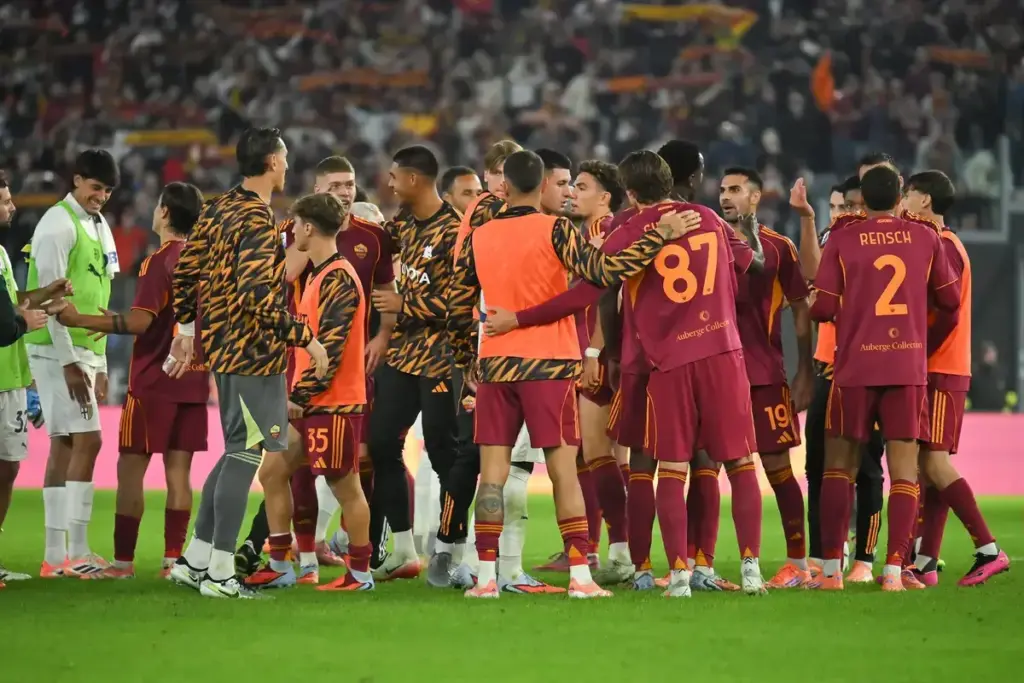

- TFG cleared €385m of debt at Roma while delivering back-to-back Euro finals.
- New era focus is on stability, reducing squad age, and cutting temporary fixes.
- New ownership will prioritise rebuilding the club’s inner football hierarchy.
Few Premier League clubs have experienced the level of turbulence that Everton Football Club have endured in recent years. Financial uncertainty, ownership instability, and years of underachievement on the pitch have left the fans reeling.
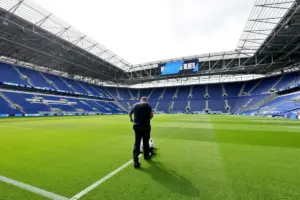
But despite the recent disappointing end to the 2025/26 season, there is genuine reason to believe that the future remains incredibly bright. The Friedkin Group’s (TFG) successful transformation of Italian giants AS Roma provides a compelling blueprint for what could lie ahead for Everton in their new era at the Hill Dickinson Stadium.
The state of Roma: Inheriting a crisis
When TFG took over Roma in 2020 from a US consortium led by James Pallotta, they inherited a club in a state of profound crisis. Roma had accumulated astronomical debt, were burdened by severe operating losses and a costly – and ultimately cancelled – plan to build a private stadium in the Tor di Valle area.
Upon purchasing the club, TFG immediately absorbed approximately €385 million in debt owed to Goldman Sachs. Since then, they have injected over €750 million into the Italian club to cover operating losses and recapitalise the balance sheet.
For an Everton fanbase well-acquainted with balance sheet anxiety and Premier League PSR headaches, this decisive financial intervention is exactly the kind of stability the Blues desperately need.
The Roma transformation: A blueprint for success
TFG did not promise overnight miracles in Rome, nor did they try to win over the public with empty rhetoric. Instead, they focused heavily on infrastructure, financial stability, and cultural identity.
The results of the Friedkin blueprint speak for themselves:
- Silverware & European Finals: Roma won the inaugural UEFA Europa Conference League in 2022 and followed it up by reaching the Europa League Final in 2023.
- Commercial Growth: The club significantly increased its commercial revenues, successfully pulling itself out of a deep financial quagmire.
- Structural Clarity: They rebuilt the fractured bridge between the club hierarchy and the supporters, operating under a modern football structure while pushing forward long-term plans for a new stadium.
Navigating strict financial rules
While TFG spent heavily early in their tenure, they subsequently had to navigate a period of contraction to adhere to strict UEFA spending rules. They have also shown a ruthless streak, changing managers when necessary to maintain momentum while pivoting toward a highly sustainable sporting model:
- Lowering the Average Age: The club has successfully reduced the squad’s average age, targeting younger profiles with long-term resale potential rather than aging veterans.
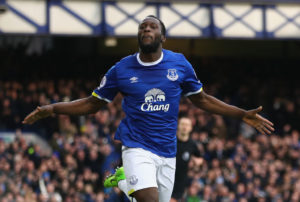
- Moving Away from High-Wage Loans: TFG shifted away from the short-term model of bringing in heavily salaried players on temporary loans (such as the Romelu Lukaku deal in 2023), aiming instead to sustainably manage the long-term wage bill.
Conclusion: Trusting the process beyond the back pages
For a fanbase that has spent years navigating existential dread, it is entirely natural that Evertonians view any new ownership through a sceptical lens. It is easy to look at the rapid managerial changes or periods of relative austerity and feel a sense of worry.
However, the true takeaway from the Italian capital is that structural change builds lasting success, not overnight miracles. TFG’s experience at Roma provides a realistic, battle-tested roadmap for precisely what Everton need most:
- Transitioning from crushing debt: TFG have proven they can absorb a club in a state of profound financial crisis, inject massive capital, and systematically untangle a web of liabilities without letting the institution collapse.
- The patience of slow building: They do not deal in hollow promises of instant, reckless spending. Instead, they focus on the unflashy, long-term fundamentals – rebuilding football structures, repairing relationships with supporters, and securing commercial growth.
- Staying highly competitive: Even while operating under strict spending constraints to satisfy financial regulations, they proved they could keep the team competitive on the pitch – securing silverware and consistently fighting at the business end of the table.
There will still be tough choices ahead and periods of patient building to satisfy stringent financial rules. But for the first time in a while, Evertonians have a genuine reason to look past the sensationalised headlines.
The future on the banks of the Mersey will require patience, but the foundations are finally being laid by an ownership group that knows exactly how to turn financial turbulence into a sustainable, competitive future.
Comments.
Loading comments…