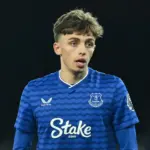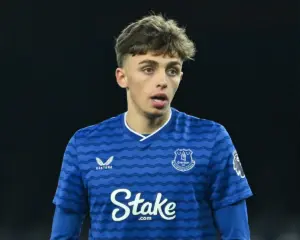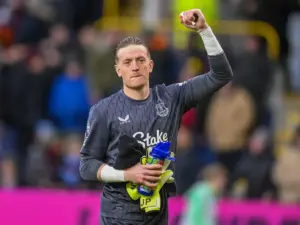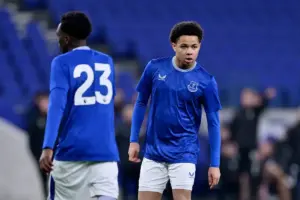

- Grealish impressed on loan before a foot injury ended his season
- His loan expires in 19 days and Everton want him for around £20m
- Maresca won’t stand in his way – so what’s actually stopping this?
The transfer saga has had more twists than Corrie and Emmerdale combined. A £50m option nobody was ever going to trigger. A Maresca U-turn. Grealish training at Finch Farm. Social media detectives convinced every Instagram story was a coded message. We’ve been here before.
Just to recap where this started: Grealish joined Everton on loan from Man City last August, having fallen out of favour under Pep Guardiola. He hit the ground running – Premier League Player of the Month in August, two goals and six assists before a stress fracture in his left foot in January brought his season to a premature and cruel end.
He didn’t kick a ball competitively again after that. His estimated return date was June 8, which means he should now be fit.
The loan expires June 30 – nineteen days from now – and a decision has to be made. Everton want him permanently for around £20m. The Athletic reckon his market value has dropped to somewhere between £16m and £21m, which puts those two numbers in the same postcode at least. City, under new boss Enzo Maresca, are no longer standing in anyone’s way.
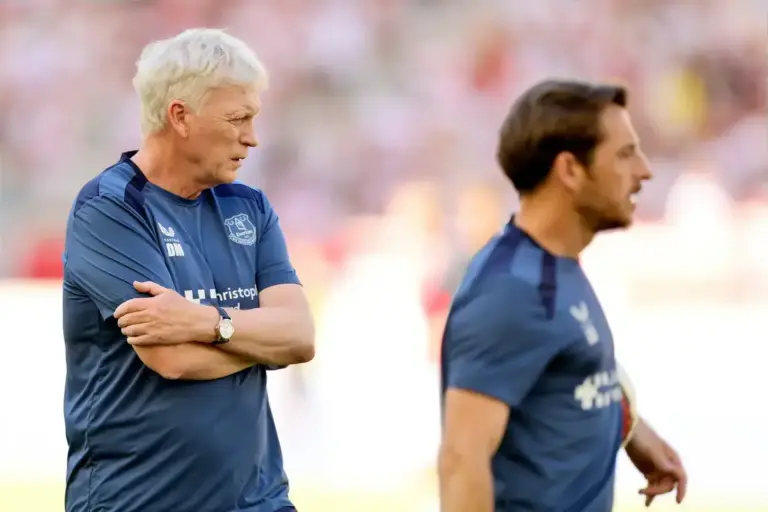
The fee will get sorted, or it won’t. What’s worth talking about is the bit that gets overlooked every time this story runs – what Grealish actually gives David Moyes that this squad doesn’t currently have (or hasn’t had in his absence).
The thing Moyes’ system needs most
Everton under Moyes are well-organised, hard to beat, and built on a defensive foundation that kept them competitive last season. What they are not, without Grealish, is unpredictable. In the final third, they lack creativity. Opponents know what’s coming.
Grealish, at his best, is the opposite of predictable. He draws fouls at a rate almost nobody in the Premier League. He carries the ball into dangerous areas under pressure rather than recycling it sideways. He creates space for others simply by being on the pitch – defenders have to plan for him in a way they don’t have to with most wide players at this level.
Two goals and six assists before the injury were a decent return, but it isn’t the full story. The underlying numbers were strong. He was arguably Everton’s most creative player in the first half of the season, which is exactly why his absence hurt the team as much as it did in the second.
The concern is real – but so is the opportunity
Let’s be fair about the other side of this. He’s 30. The foot injury – a stress fracture followed by surgery – is the kind of thing that happens again. He hasn’t played a competitive minute since January. His wages, reportedly £300,000 a week at City, will need to come down significantly for any permanent deal to work.
But here’s the thing. Everton are not going to get a player of Grealish’s quality, profile and Premier League pedigree for £20m in any normal summer. He’s a Champions League winner. He was Premier League Player of the Month at this club in August. He already knows the system, the staff, and the dressing room.
The learning curve that costs most new signings the first three months of a season doesn’t exist here.
At a fee The Athletic are valuing at somewhere between £16m and £21m, this is the kind of deal that looks obvious when you analyse it. The wage structure is the conversation that needs to happen. If both sides are willing to find a middle ground on that, everything else is just detail.
Nineteen days. Get it done.