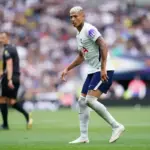
Evertonians may have raised an eyebrow at the news that Ipswich Town are closing in on a deal for Celtic forward Daizen Maeda.
The Japan international has been linked with a move to the Premier League this summer, with Ipswich reportedly agreeing a deal worth around £10m for the 28-year-old.
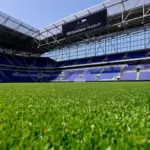
What makes the move interesting from an Everton perspective is that Maeda is another player who had been discussed as a potential target at the Hill Dickinson.
It follows a similar situation last summer, when Ipswich completed the signing of Abdul Fatawu from Leicester City after the winger had also been linked with Everton.
That naturally leads to a question: should Everton be losing out so readily to a newly promoted club?
The answer is not as simple as comparing the size and history of the two teams.
Ambition vs steady progress?
Ipswich have shown a willingness to act quickly in the transfer market, while Everton are still rebuilding after several difficult years both on and off the pitch. The arrival of The Friedkin Group has brought stability and renewed ambition, but changing the way a club operates takes time.
For Everton, though, recruitment will be one of the biggest tests of the new era.
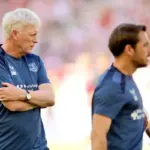
David Moyes needs additions who can improve the squad, but identifying players is only part of the challenge. Everton also need to convince those targets that Hill Dickinson is the right place for the next stage of their careers.
Missing out on Maeda is not, in isolation, a problem. No club (not even Ipswich) secures every player it pursues.
But when similar situations happen more than once, they are worth noting. Maybe worthy of a cogitation.
Everton’s ambition under their new ownership is to climb the Premier League table and compete more consistently. To do that, they will need to win more transfer battles against the clubs around them.
Ultimately, the focus should not be on the players Everton miss out on. It should be on whether the players they sign can help the club move forward.