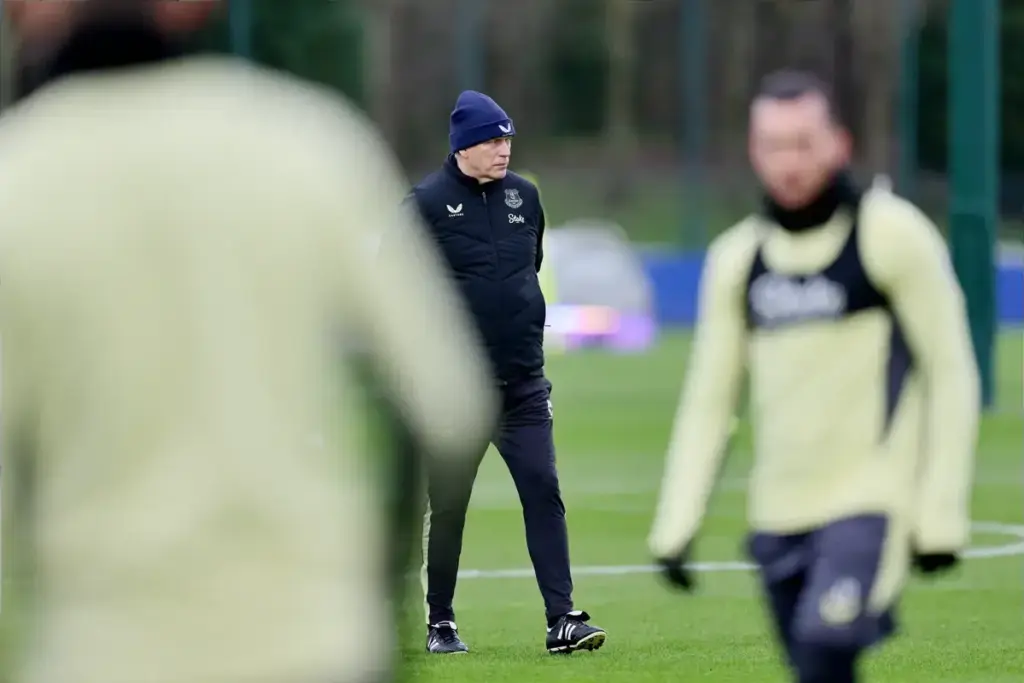

The announcement itself was unremarkable. Everton confirmed that David Moyes’ side will face Hamburger SV in a pre-season double-header as preparations continue for the new campaign.
Under normal circumstances, it is the sort of update supporters acknowledge before quickly moving on to the next transfer rumour.
Yet it felt indicative of something else.
For much of the past decade, Everton have often appeared to operate in a state of permanent reaction. One issue would be resolved only for another to emerge. Managerial changes, ownership uncertainty, financial pressures and squad churn created an environment where long-term planning frequently took a back seat to short-term necessity.
Nobody is suggesting Everton have solved every problem.
Questions remain about the squad. Supporters would still like to see additions arrive. There are understandable concerns about how competitive the club can be in a Premier League that becomes more demanding with each passing season.
But there is a difference between a club facing challenges and a club being engulfed by them.
At the moment, Everton feel considerably more settled than they have for some time.
Stability has become part of the story
That is not to say Everton suddenly have financial freedom.
The club continue to work within constraints that influence virtually every major decision. Recruitment remains tied to value and sustainability, while contract decisions are being weighed up against a wider financial picture.
The £49.2 million accounting benefit generated through financial sleight of hand was a useful illustration of that reality. It was not evidence of a club awash with cash. If anything, it reflected a club becoming more disciplined in how it manages its resources.
Supporters may debate whether that approach is ambitious enough. Many undoubtedly will. Most already are.
But after years of firefighting, there is an argument that competence has become an underrated asset.
The recruitment strategy appears more coherent than it has in several summers. The profiles being linked with the club point towards a clearer understanding of what Moyes wants his squad to look like, whether in midfield, attack or among younger development signings.
There is also less sense of drift around contract situations. Decisions still have to be made, particularly regarding experienced players whose futures remain unresolved, like Idrissa Gana Gueye, but those discussions are taking place against a backdrop of planning rather than panic.
Moyes has a significant role in that. For all his perceived faults.
His first months back at the club were spent restoring order and guiding Everton away from trouble. Last season was about steadying the ship. This summer is different. For the first time since his return, there is a proper opportunity to shape the squad as he wishes.
The impression from the outside is that he has been given the authority to do exactly that.
Perhaps that is why relatively small developments, such as a pre-season schedule being confirmed early, feel more significant than they otherwise might.
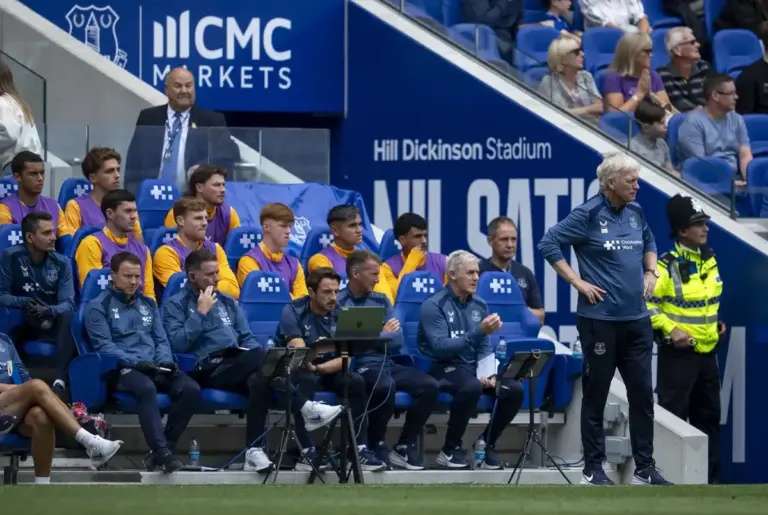
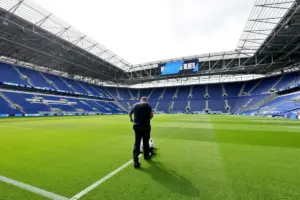
Everton are now preparing for their second season at the Hill Dickinson. The move itself is no longer the dominant storyline. Ownership questions have eased. The financial position is clearer than it was. The club’s direction feels easier to identify.
None of that guarantees success.
Everton still need to recruit well. They still need to improve. They still need to prove that stability can be turned into progress on the pitch.
But for a club whose recent history has been shaped by uncertainty, there is something noteworthy about the fact that the summer’s most encouraging theme is not a particular signing or transfer rumour.
It is that Everton increasingly look like a club operating according to a plan.


Comments.
Loading comments…