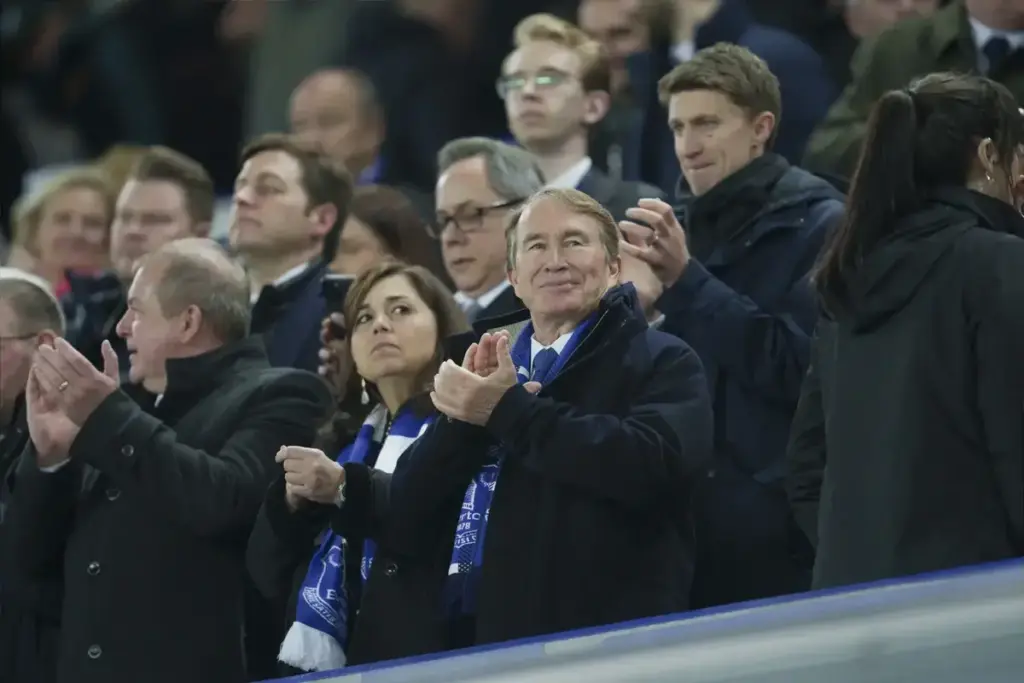

When The Friedkin Group completed its takeover of Everton in December 2024, there was little ambiguity about the language being used.
Marc Watts, TFG president and Everton’s new executive chairman, spoke of a “long-term vision”. He promised “thoughtful and strategic investment” in the first-team squad and plans to make the most of the club’s new stadium.
“The road ahead of us is long,” Watts said.
Twenty-two months later, TFG is considering whether somebody else should take it. The group announced last week that it was exploring new investment options, including the potential sale of its controlling stake in Everton. Moelis has been appointed to oversee the process.
So why, less than two years after completing the takeover, are the Friedkins prepared to consider selling?
Everton is not the club TFG bought
There has been a lot of change since December 2024.
TFG took control of a club with serious financial issues, substantial debt and a new stadium still to complete. Everton are now playing at Hill Dickinson Stadium and the owners say the financial foundations of the club have been secured.
That was central to TFG’s explanation when it announced the latest process. Having dealt with the immediate problems it inherited, the group said: “The time is right to consider the next chapter”.
Everton are also likely to be a more attractive proposition to investors than they were when TFG arrived.
The Guardian reported that the Friedkins spent about £400m on the takeover and Everton’s debts, while a figure of about £800m, including approximately £380m of long-term debt, has been reported as a possible valuation.
There is no guarantee anyone will pay it. Nor has TFG said a sale must happen. But the circumstances are markedly different from those the Friedkins walked into.
The next stage could be considerably more expensive
Making Everton stable was one challenge. Making them a regular European club is another. The Guardian reported that the further investment required to meet Everton’s ambitions is among the considerations behind TFG exploring its options.
That is worth remembering when looking back at Watts’ comments in 2024. Strengthening the first team was one of the ownership’s stated priorities, but building a squad capable of competing consistently towards the top of the Premier League is unlikely to be a short or inexpensive process.
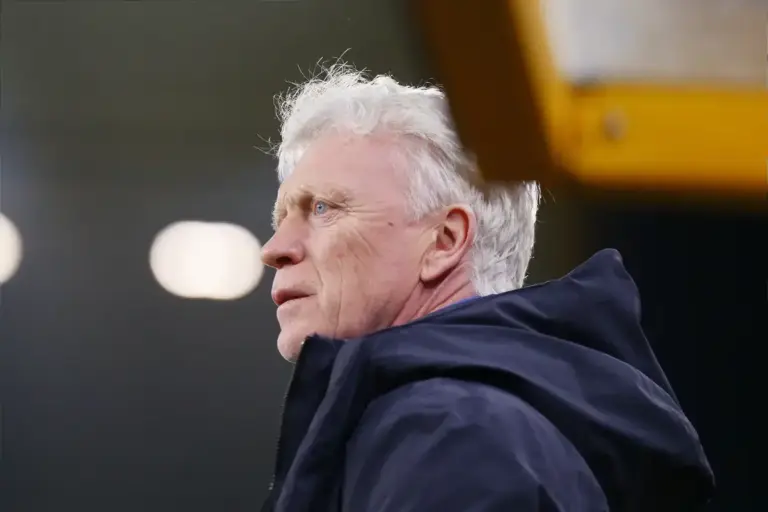
David Moyes’ squad still has obvious gaps. Everton ended the summer without another senior striker after Beto’s departure and the collapse of a deadline-day move for Folarin Balogun.
There is no suggestion the Friedkins are closing the chequebook in the meantime. The Athletic’s David Ornstein has said TFG intends to continue backing the club while it remains in control, with funds expected to be available in January and a striker among the positions Everton want to address.
The bigger question is how much TFG wants to spend over the next three, four or five years.
Roma cannot be ignored
Everton are not the Friedkins’ only major football commitment. TFG also own Roma, where it has invested heavily since taking control in 2020. The Italian club is also trying to build a new stadium at Pietralata, a project which will require substantial investment as it moves towards construction.
It would be too simplistic to say Roma’s stadium is the reason Everton could be sold. There has been no such statement from TFG and the financing of a stadium project of that size is more complicated than the owners simply paying the entire bill themselves.
But Roma is a factor. Has to be.
When the Friedkins were pursuing Everton in 2024, they moved to reassure Roma supporters that buying another club would not diminish the “time, resources, and energy” devoted to the Italian side. Two years on, TFG has two major clubs requiring investment, and Roma has an expensive stadium project of its own to deliver.
There is also the issue of UEFA’s multi-club ownership rules. The Guardian reported that those restrictions are part of the background to TFG’s decision to consider its position at Everton.
Owning Everton and Roma becomes more problematic if both qualify for European competition. For an Everton ownership supposedly trying to return the club to Europe, that is not an insignificant consideration.
So what happened to the long-term vision?
TFG have not said its original plans for Everton were abandoned, and exploring a sale is not the same as completing one. The group could bring in new investment rather than sell its controlling stake. Ornstein has also said the Friedkins will only sell to what they consider the right buyer.
“They only want to sell to the right buyer,” he said. “They want to sell to a custodian who will take the club to the next level.”
There is a reasonable case that TFG has already completed important work at Everton. The club’s immediate financial position has been addressed, the move to Hill Dickinson Stadium has been completed, and the business is in better shape than the one the Friedkins acquired.
But that does not entirely answer the question raised by Watts’ words in December 2024.
Evertonians were told about a long-term vision, not simply a rescue operation. Less than two years later, the owners are prepared to discuss handing that long-term project to somebody else.
Perhaps the most significant change is that TFG now know exactly what the next stage will demand — at Everton, at Roma and across its wider football interests.
Whether it wants to fund that next stage at Everton is the question its current investment process may ultimately answer.
Read more on The Friedkin Group’s decision to explore a potential Everton sale.
Comments.
Loading comments…